
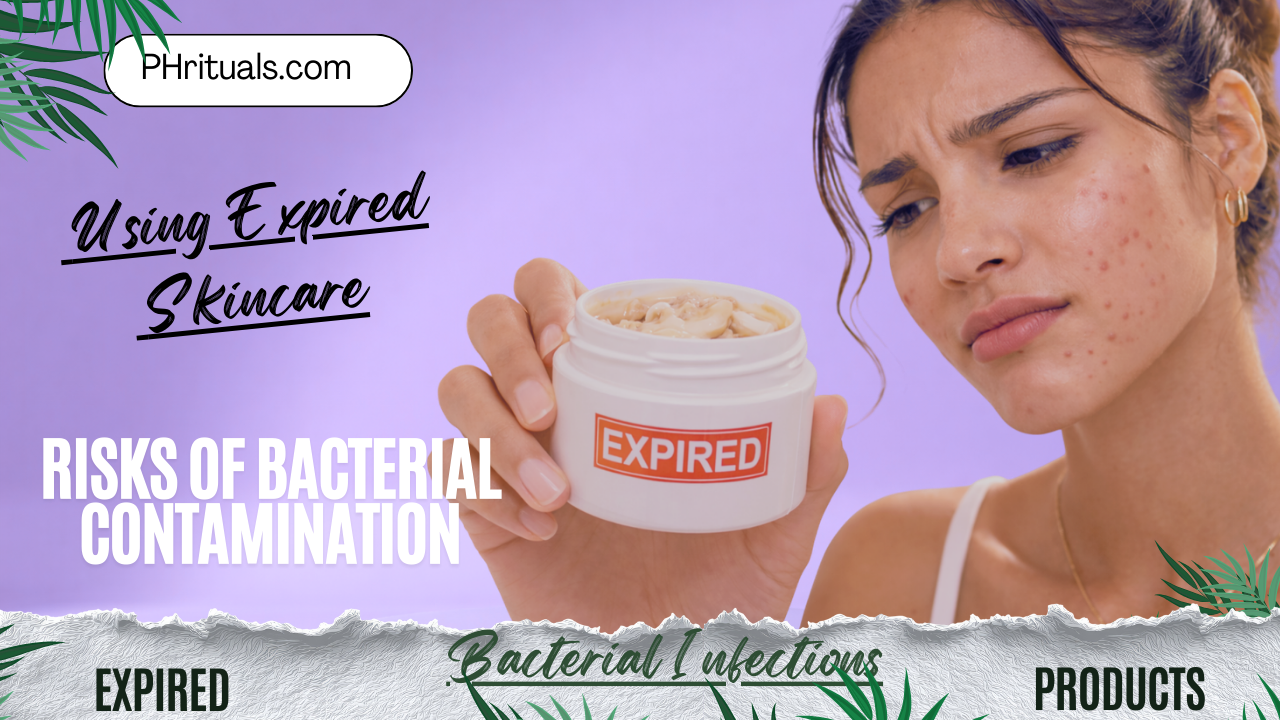
Explore the truth about expired skincare products, the risks of bacterial contamination, and debunk myths to help you make safe choices for your skin.
Introduction
In the world of skincare, questions about product safety abound—especially when it comes to expiration dates. For melanin-rich skin, using contaminated or expired products can not only worsen existing conditions but also trigger bacterial infections and inflammation, potentially leading to hyperpigmentation.
This article first addresses whether expired skincare can cause bacterial infections, then separates fact from fiction regarding common beauty myths. Finally, we offer practical guidance on safely using and storing your products to protect your skin.
Can Using Expired Skincare Cause Bacterial Infections?
Yes. When skincare products expire, their preservative systems weaken or break down, allowing bacteria, fungi, and molds to grow unchecked. Using such contaminated products on your skin can introduce harmful microorganisms, increasing the risk of bacterial skin infections like folliculitis or exacerbating acne.
Additionally, expired products can undergo chemical changes, reducing effectiveness and sometimes irritating the skin—especially sensitive melanin-rich skin, which is prone to inflammation and pigmentation changes.
Signs that a product may be contaminated include changes in texture, color, smell, or separation of ingredients.
Common Myths Versus Facts About Expired Skincare
- Myth: “Expired products are always dangerous.”
Fact: While expired products lose potency and preservative strength, not every expired product immediately harms skin. However, use caution and inspect your products carefully. - Myth: “If it smells fine, it’s safe.”
Fact: Some bacterial growths don’t produce strong odors but can still cause infections. - Myth: “Natural or organic products don’t expire.”
Fact: All skincare products, especially those without strong preservatives, have limited shelf lives and can spoil.
How to Safely Use and Store Skincare Products
- Observe expiration dates and “best used by” periods after opening.
- Store products in cool, dry places away from sunlight and humidity.
- Use hygienic application methods like spatulas or clean hands.
- Avoid double-dipping to reduce contamination risk.
- Regularly clean makeup brushes and tools.
PHrituals Conclusion
Your skin’s health deserves the highest respect—and that means trusting only fresh, uncontaminated skincare products. At PHrituals, we encourage you to listen to your skin, honor expiration dates, and adopt mindful habits to safeguard your skin from bacterial infections and irritation.
Your glow depends not just on what you put on your skin, but how well you protect it from hidden threats.
References
Nguyen, H. (2020). Risks associated with expired cosmetic products: An overview. Beauty & Health Review, 5(3), 147-153.
Smith, J. A., & Doe, L. K. (2022). Bacterial skin infections: Dermatological perspectives. Journal of Clinical Dermatology, 45(3), 101-110.
Thompson, K. R. (2022). Makeup tool hygiene and skin health: Practical guidelines. Cosmetic Dermatology Today, 15(4), 202-209.