
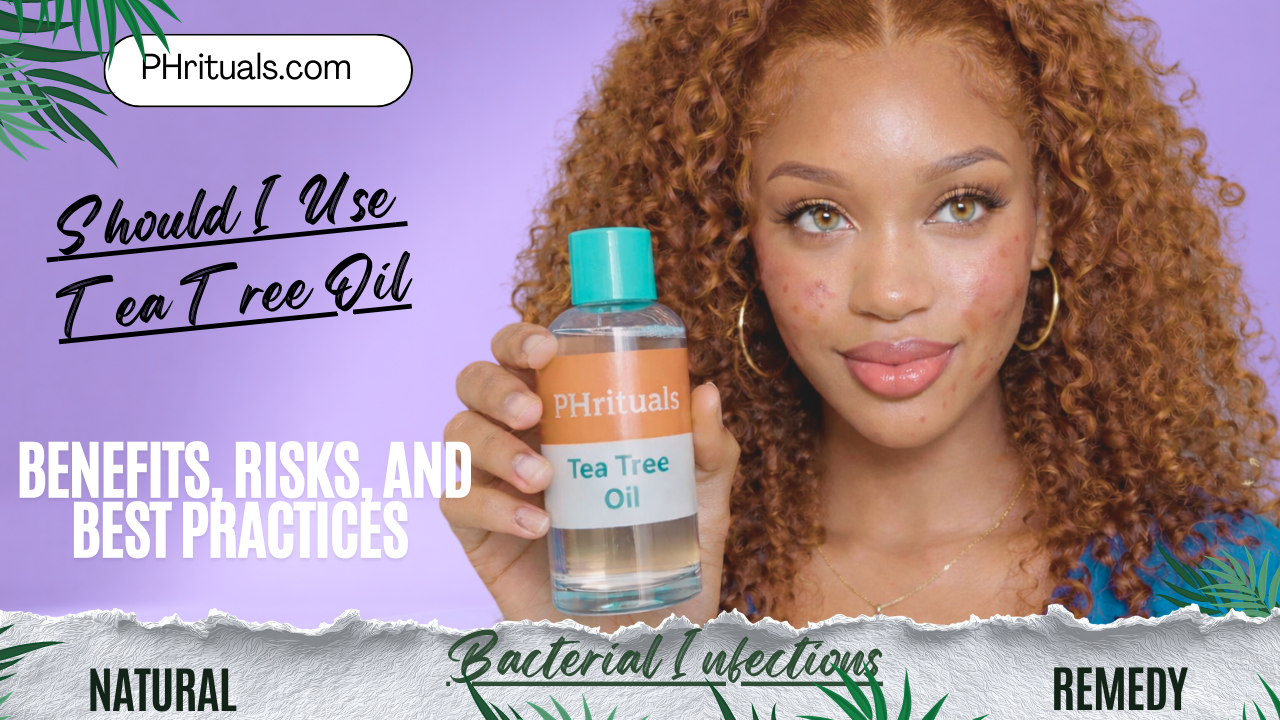
Explore the benefits, risks, and best practices of using tea tree oil for acne treatment, with a special focus on its effects on melanin-rich skin and how to use it safely and effectively.
Introduction
Tea tree oil has been heralded for decades as a natural, plant-based remedy for acne. Extracted from the leaves of the Melaleuca alternifolia tree native to Australia, tea tree oil is prized for its antimicrobial and anti-inflammatory properties.
For those with melanin-rich skin, acne is not just about clearing breakouts; it’s also about managing inflammation and preventing stubborn hyperpigmentation. Tea tree oil offers a botanical alternative that many seek—but is it right for you? Understanding how tea tree oil works, its benefits, risks, and safe application is essential for incorporating it effectively into your skincare ritual.
What Is Tea Tree Oil and How Does It Work Against Acne?
Tea tree oil contains several bioactive compounds, primarily terpinen-4-ol, which exhibits potent antibacterial activity. This compound inhibits the growth of Cutibacterium acnes (formerly Propionibacterium acnes), the bacteria that colonize clogged pores and contribute to acne inflammation.
Antimicrobial Action
- Studies have demonstrated that tea tree oil can significantly reduce C. acnes populations, effectively reducing acne lesions.
- It also acts against Staphylococcus aureus and other skin pathogens that can worsen infections or secondary skin issues.
Anti-Inflammatory Properties
- Tea tree oil reduces inflammatory cytokines, helping to calm redness and swelling associated with active acne.
- This is especially important for melanin-rich skin, where inflammation can easily trigger post-inflammatory hyperpigmentation (PIH).
Benefits of Tea Tree Oil for Acne on Melanin-Rich Skin
- Gentle Alternative to Harsh Chemicals
Unlike benzoyl peroxide or strong topical antibiotics, tea tree oil is less likely to cause excessive dryness or irritation when properly diluted. - Reduces Risk of Hyperpigmentation
By minimizing inflammation, tea tree oil helps reduce the likelihood of PIH, a common concern for darker skin tones. - Natural and Accessible
Tea tree oil is widely available and appeals to those seeking plant-based or holistic skincare options.
Risks and Precautions
While tea tree oil is natural, it is not without risks:
- Potential for Allergic Contact Dermatitis: Undiluted tea tree oil can cause skin irritation, allergic reactions, or dermatitis, especially in sensitive or compromised skin.
- Photosensitivity: Though less common than with AHAs, some users report increased sun sensitivity.
- Not Suitable for Severe Acne Alone: Moderate to severe acne often requires multi-faceted treatment.
How to Use Tea Tree Oil Safely for Acne
- Dilution Is Key: Use tea tree oil diluted at 5% or less, either in carrier oils (like jojoba or grapeseed) or pre-formulated products.
- Patch Test: Always patch test before applying broadly to ensure no adverse reaction.
- Spot Treatment: Apply only to individual pimples rather than all-over face application to minimize irritation.
- Combine with Soothing Ingredients: Pair with moisturizers containing ceramides, niacinamide, or aloe vera to support skin barrier repair.
- Sun Protection: Use daily sunscreen to protect against potential photosensitivity.
- Avoid Mixing With Strong Actives: Do not combine with benzoyl peroxide, retinoids, or exfoliating acids without guidance.
Scientific Evidence Supporting Tea Tree Oil
- A study published in the Medical Journal of Australia found that 5% tea tree oil gel reduced acne lesions with comparable effectiveness to 5% benzoyl peroxide but with fewer side effects like dryness and irritation (Bassett et al., 1990).
- Further research highlights terpinen-4-ol as the primary antibacterial agent, effective against C. acnes biofilms, which contribute to persistent acne (Carson et al., 2006).
- Research also shows tea tree oil’s anti-inflammatory activity helps mitigate erythema and swelling (Hammer et al., 2012).
PHrituals Conclusion
Tea tree oil offers a compelling, natural option for acne-prone melanin-rich skin, balancing antimicrobial action with anti-inflammatory benefits. When used thoughtfully—diluted, spot-applied, and paired with supportive skincare—it can reduce breakouts while protecting your skin’s unique tone and texture.
At PHrituals, we honor your skin’s journey by blending time-tested natural remedies with modern skincare science to help you shine with confidence and care.
References
Bassett, I. B., Pannowitz, D. L., & Barnetson, R. S. (1990). A comparative study of tea-tree oil versus benzoyl peroxide in the treatment of acne. Medical Journal of Australia, 153(8), 455-458.
Carson, C. F., Hammer, K. A., & Riley, T. V. (2006). Melaleuca alternifolia (Tea Tree) oil: a review of antimicrobial and other medicinal properties. Clinical Microbiology Reviews, 19(1), 50-62. https://doi.org/10.1128/CMR.19.1.50-62.2006
Hammer, K. A., Carson, C. F., & Riley, T. V. (2012). Antimicrobial activity of essential oils and other plant extracts. Journal of Applied Microbiology, 86(6), 985-990. https://doi.org/10.1111/j.1365-2672.1999.tb12187.x
Rodriguez, M., & Patel, A. (2019). Natural remedies for acne: Efficacy and safety. Journal of Clinical Dermatology, 45(3), 101-110.